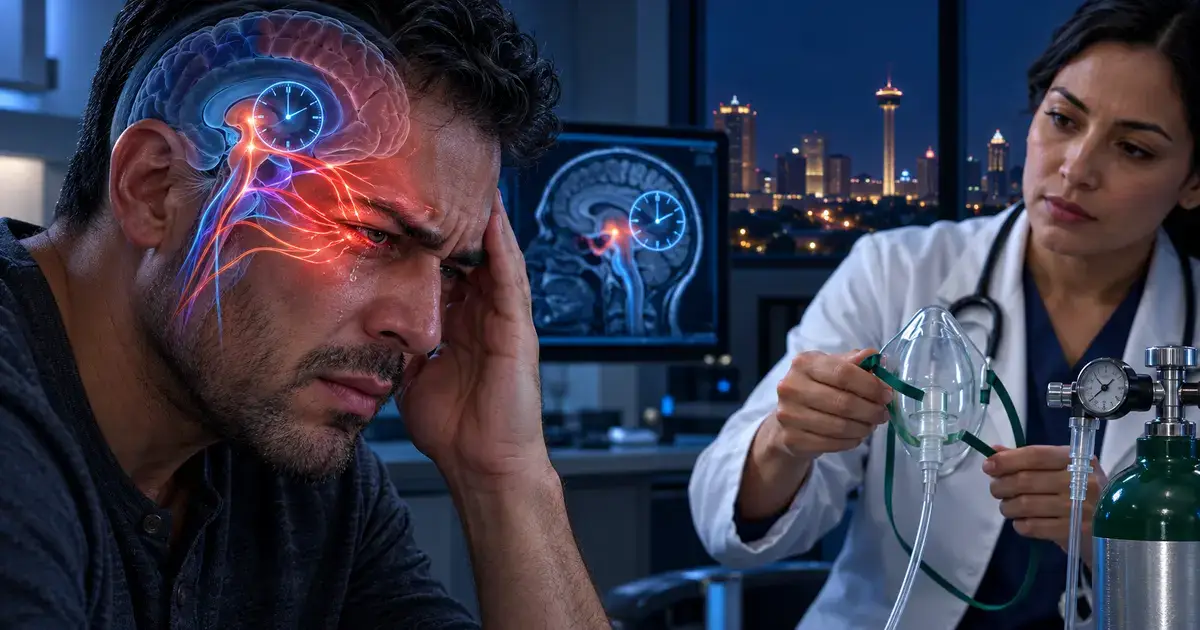
Persistent headaches, numbness, seizures, memory changes, tremor, and balance problems can have many causes. Knowing when to seek neurological care, and when symptoms require the emergency department, can help you take the right next step.
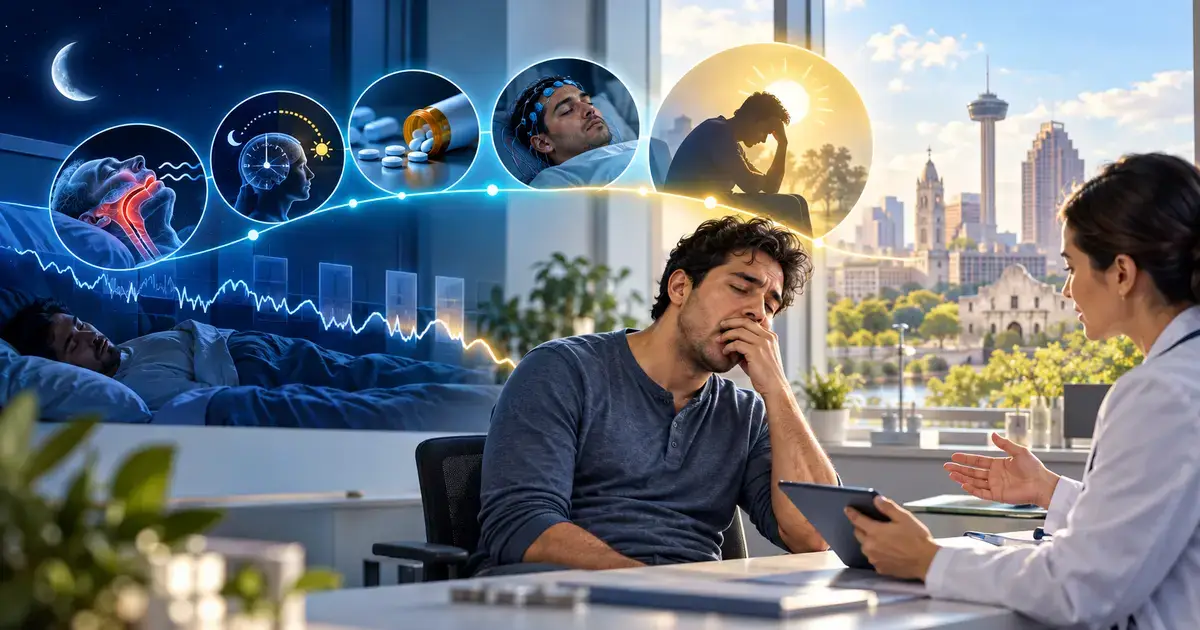
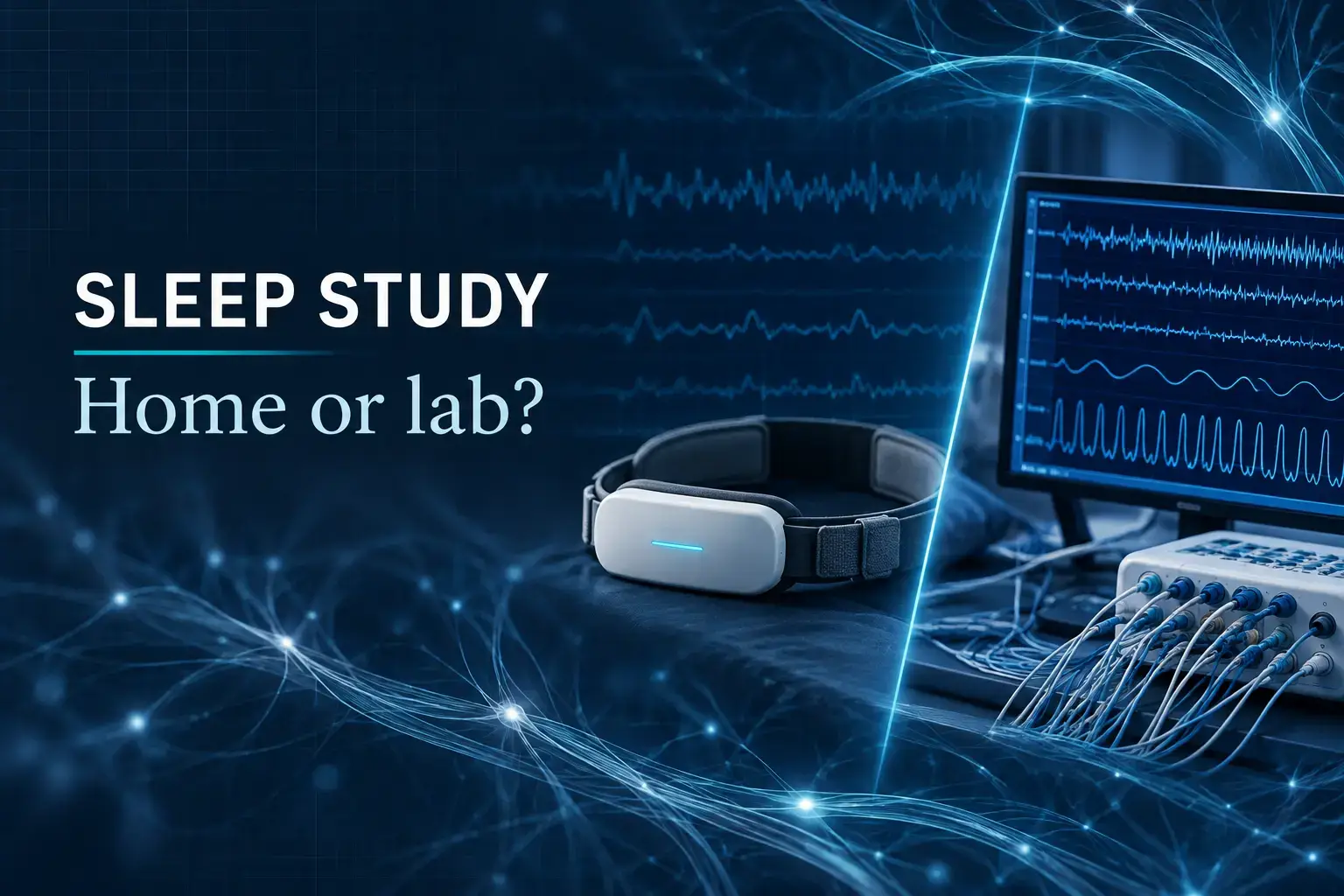
A home sleep apnea test and an overnight laboratory study answer different questions. The right choice depends on symptoms, medical history, the suspected disorder, and what result would change treatment.
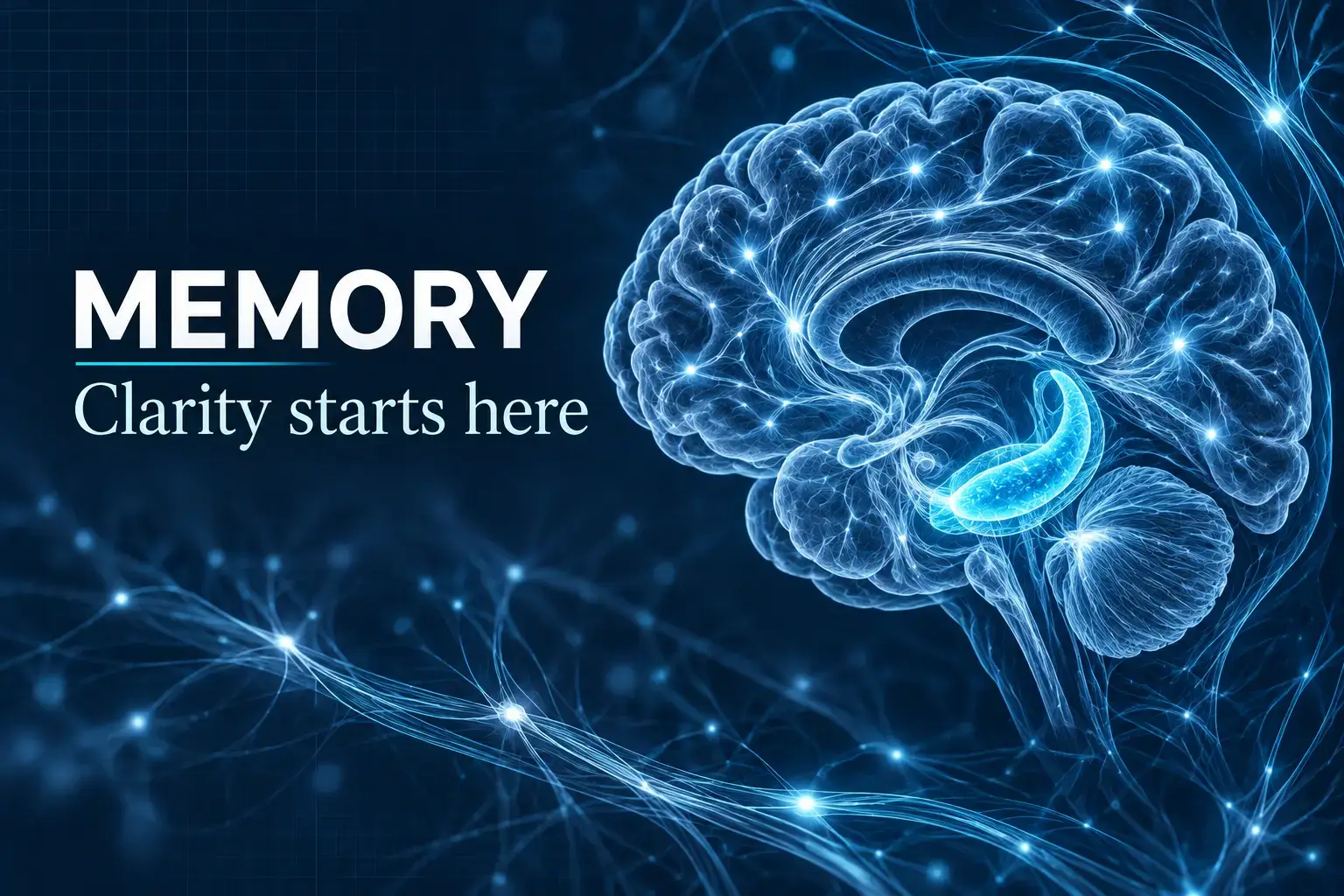
A memory evaluation is more than a single screening score. It combines a detailed history, cognitive testing, medication and sleep review, neurological examination, and carefully selected labs or imaging.
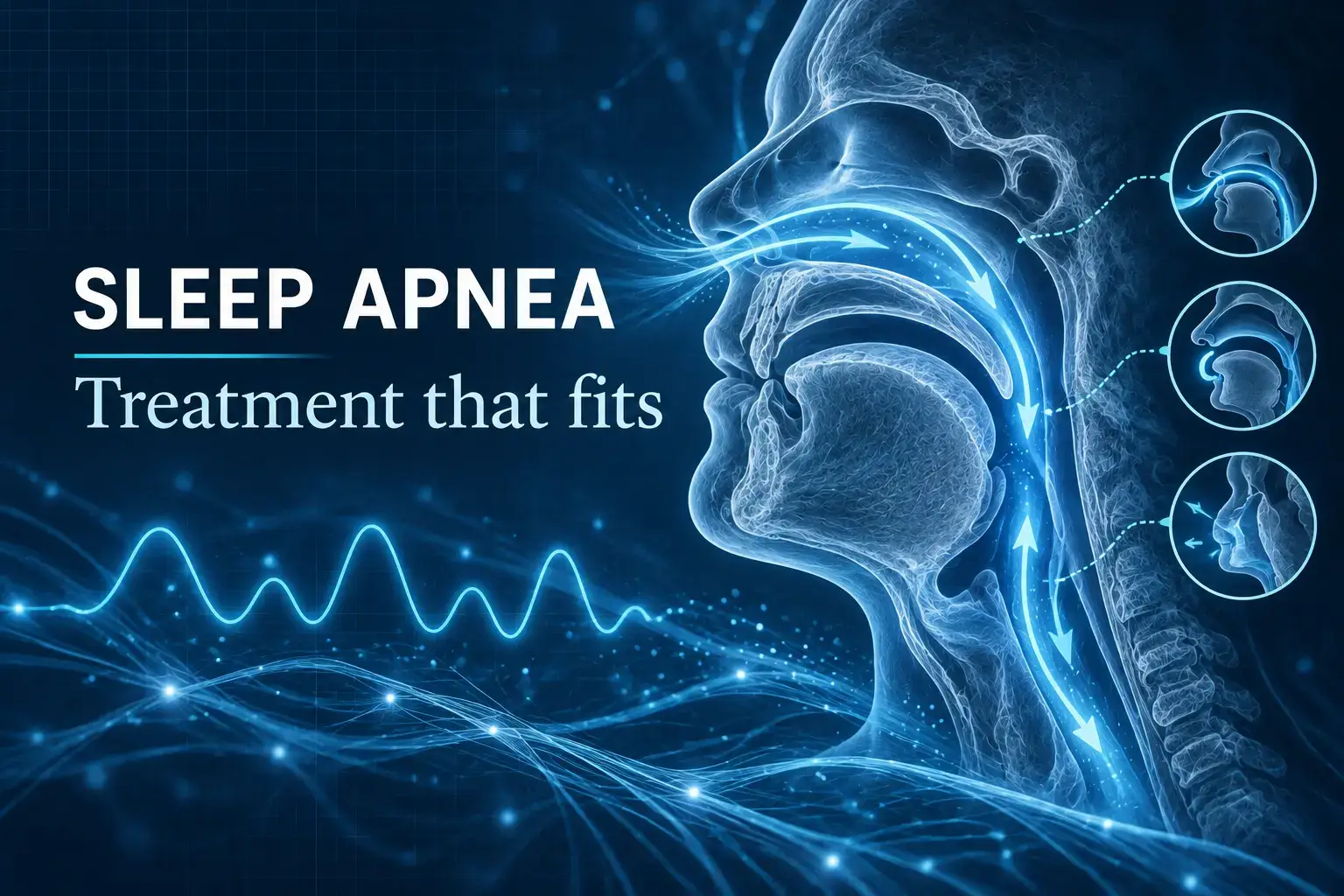
CPAP is effective, but it is not the only option for obstructive sleep apnea. Treatment should match the type and severity of apnea, anatomy, symptoms, health risks, and what a patient can use consistently.
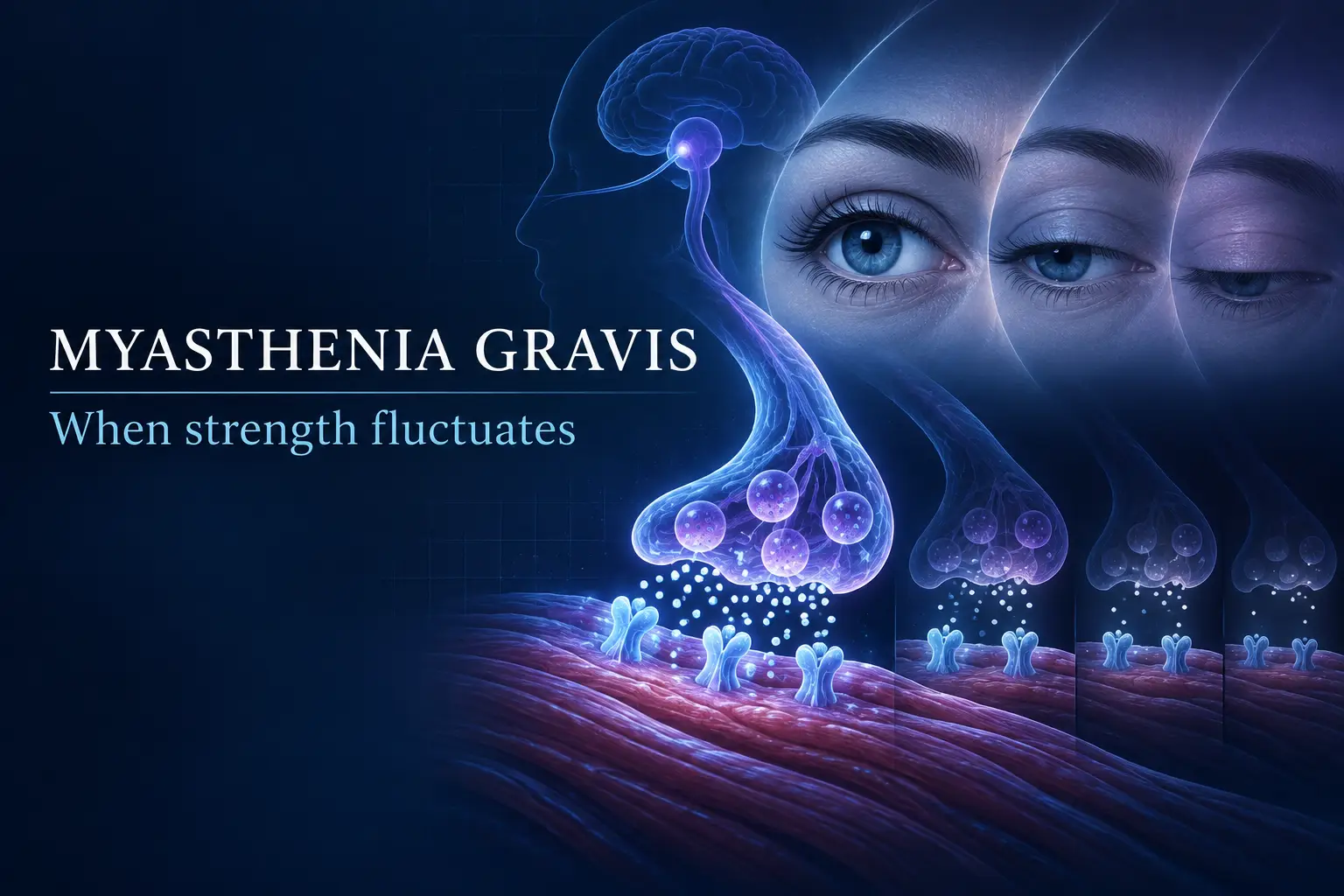
Myasthenia gravis can cause eyelid drooping, double vision, slurred speech, trouble swallowing, or limb weakness that changes through the day. Here is how to recognize the pattern, when to seek emergency care, and what a neurological evaluation…
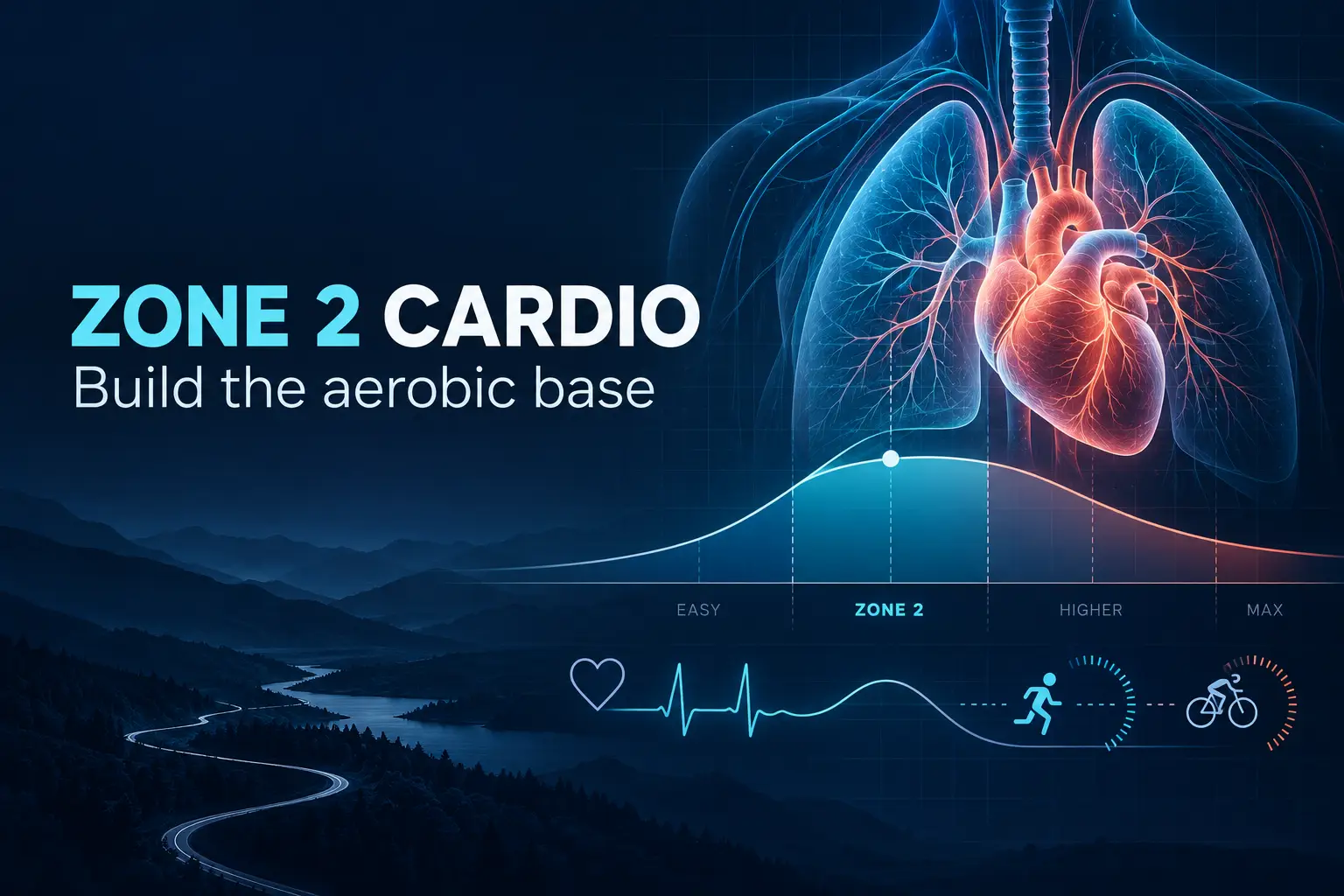
Zone 2 cardio can be a sustainable way to build aerobic activity, but no clinical trial has shown that this specific zone uniquely extends life. The better goal is a balanced, repeatable exercise plan matched to your…
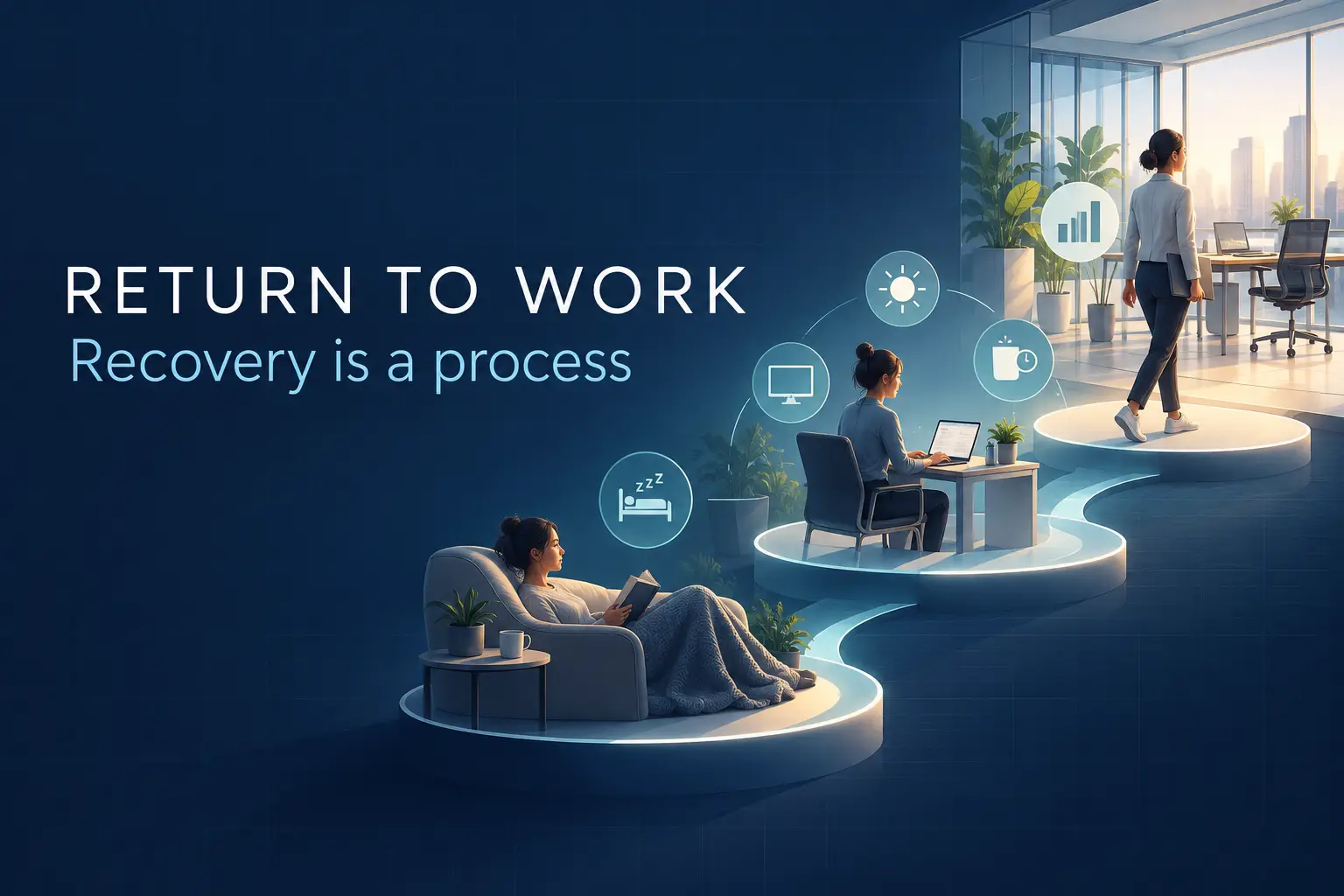
Returning to work after a concussion is not the same as returning to full duty. A flexible, clinician-guided plan can help employees resume useful work while managing symptoms and avoiding tasks that create a risk of another…
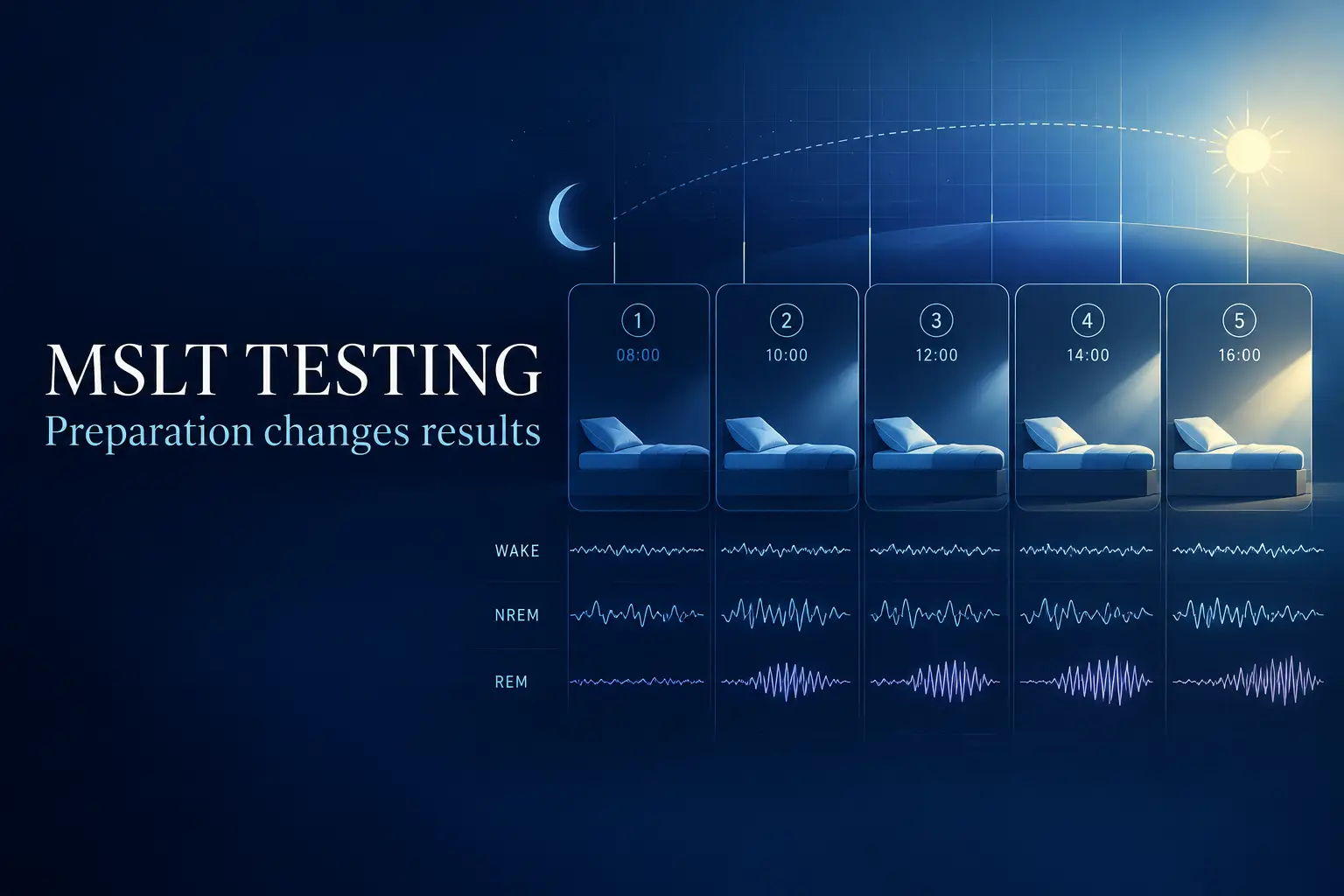
The Multiple Sleep Latency Test measures how quickly someone falls asleep and whether REM sleep appears unusually early. It is useful for evaluating severe daytime sleepiness, but it is not a stand-alone blood test for narcolepsy. Proper…
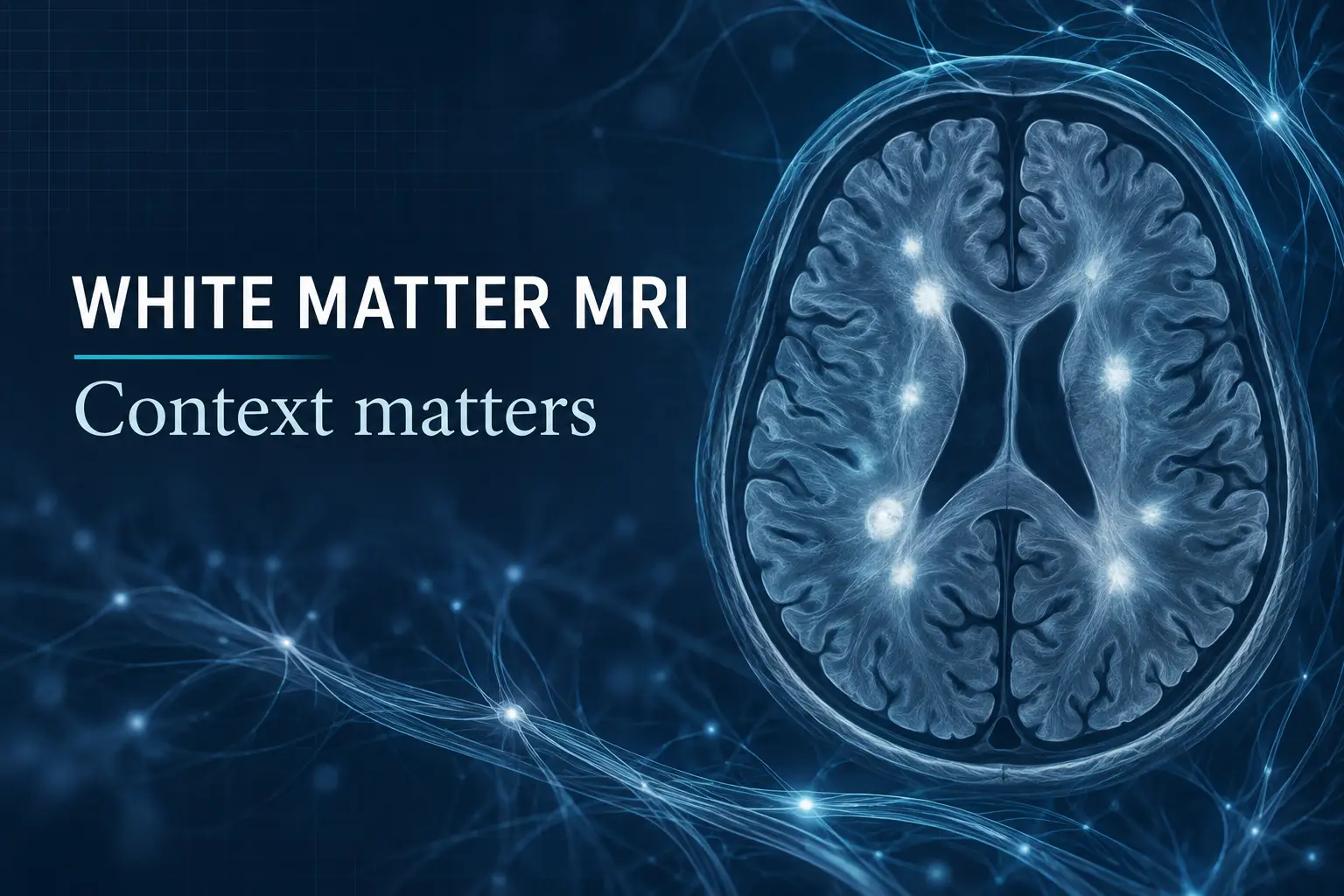
A report describing white matter hyperintensities can sound alarming. These MRI findings become more common with age, but their cause and importance depend on their pattern, burden, symptoms, and vascular risk factors.
An office blood pressure station can create awareness, but rushed technique, a single abnormal result, or weak follow-up may create confusion instead of better health. A responsible workplace program protects privacy, measures accurately, and connects employees with…
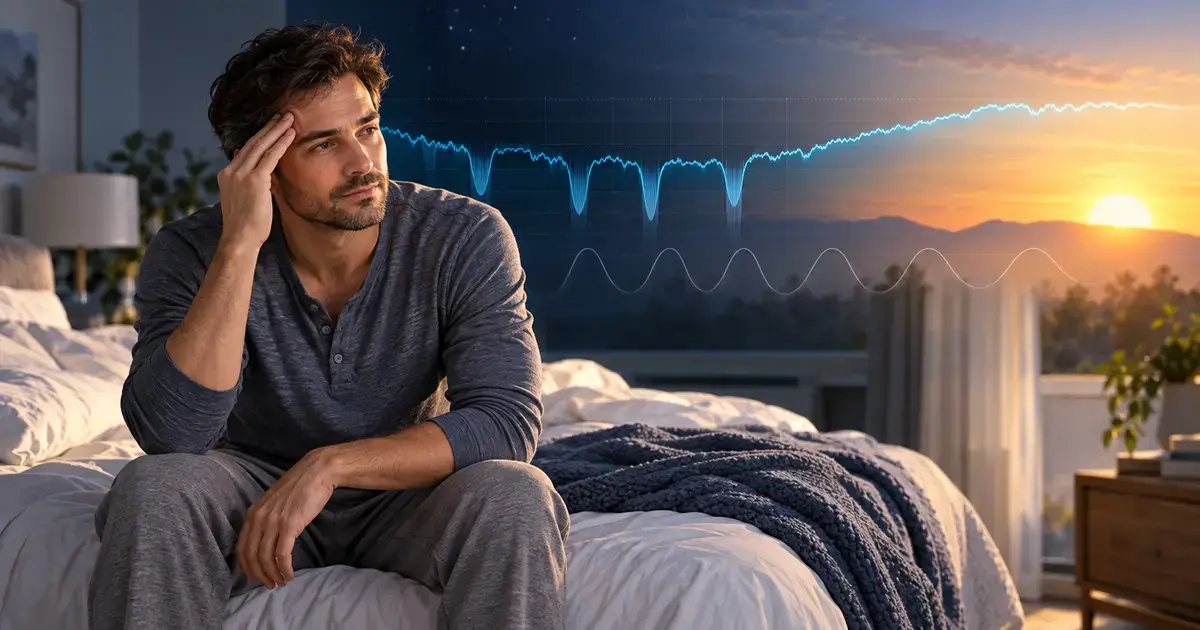
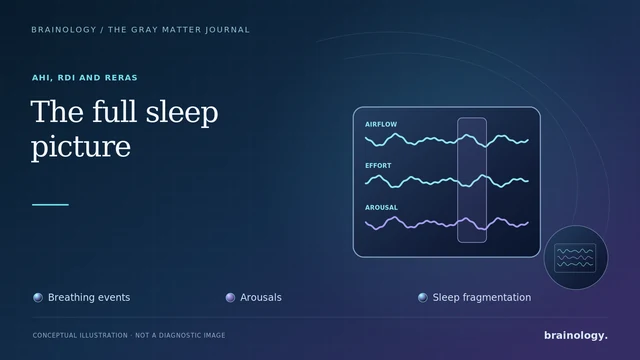
The apnea-hypopnea index is important, but it is not a complete summary of breathing during sleep. RERAs, RDI, sleep fragmentation, oxygen burden, REM sleep, body position, and the difference between laboratory and home testing can all change…
Functional seizures can look like epileptic seizures, but they arise through a different mechanism and need different treatment. A new American Academy of Neurology guideline emphasizes positive diagnosis, respectful explanation, evaluation for coexisting epilepsy, and individualized psychological…
Metformin is an established diabetes medication and a leading candidate in longevity research. Recent trials offer intriguing biomarker and frailty findings, but no study has shown that it extends life in healthy people.
Hazardous noise can cause permanent hearing loss, while lower-level speech and equipment noise may disrupt concentration. A practical workplace plan starts with measuring exposure and reducing sound at its source, not simply handing out earplugs.
Overnight pulse oximetry can identify periods of low oxygen, but it usually cannot explain why they occurred. Sleep apnea is one possibility among several, and the right test depends on the patient’s symptoms and medical conditions.
A normal routine EEG does not rule out epilepsy. EEG is one part of a clinical evaluation that may also include a detailed event history, witness video, brain imaging, and longer monitoring.
Vitamin D prevents deficiency and supports bone health, but large trials have not shown that routine high-dose supplementation prevents fractures, cancer, or cardiovascular disease in generally healthy adults. A newer telomere finding is promising but not proof…
Indoor air quality affects comfort, respiratory exposure, and how a workplace functions. Employers can improve it with a building-level plan rather than relying on desk gadgets or employee behavior alone.
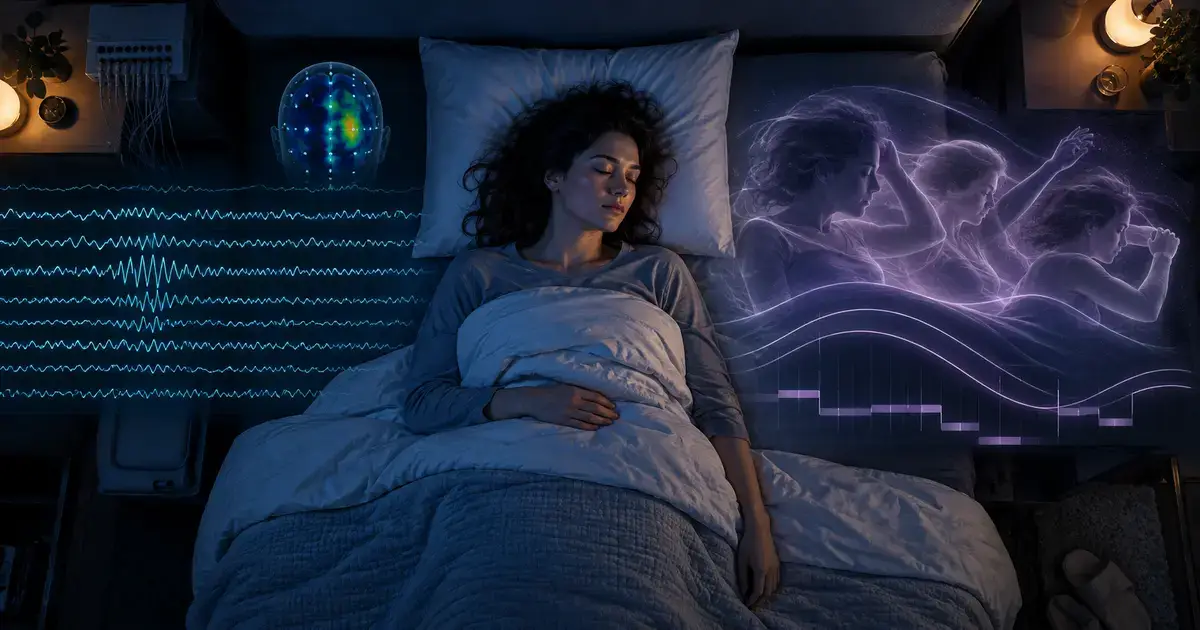
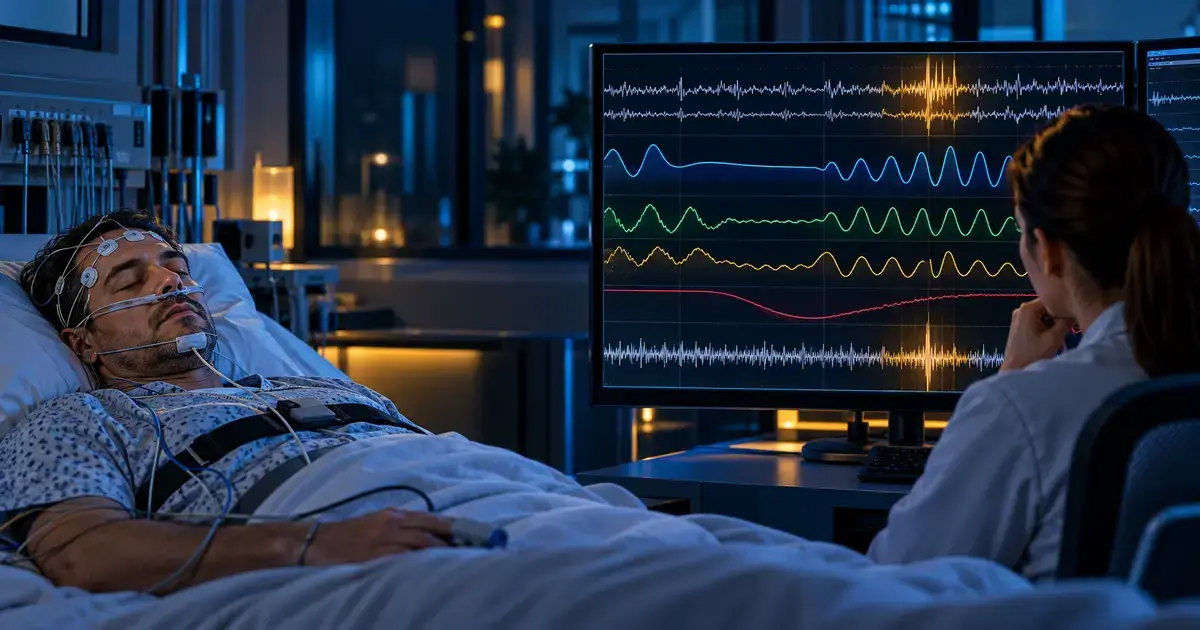
Dream enactment can cause injury and may have several explanations. Video polysomnography helps distinguish REM sleep behavior disorder from sleep apnea, seizures, and other parasomnias.
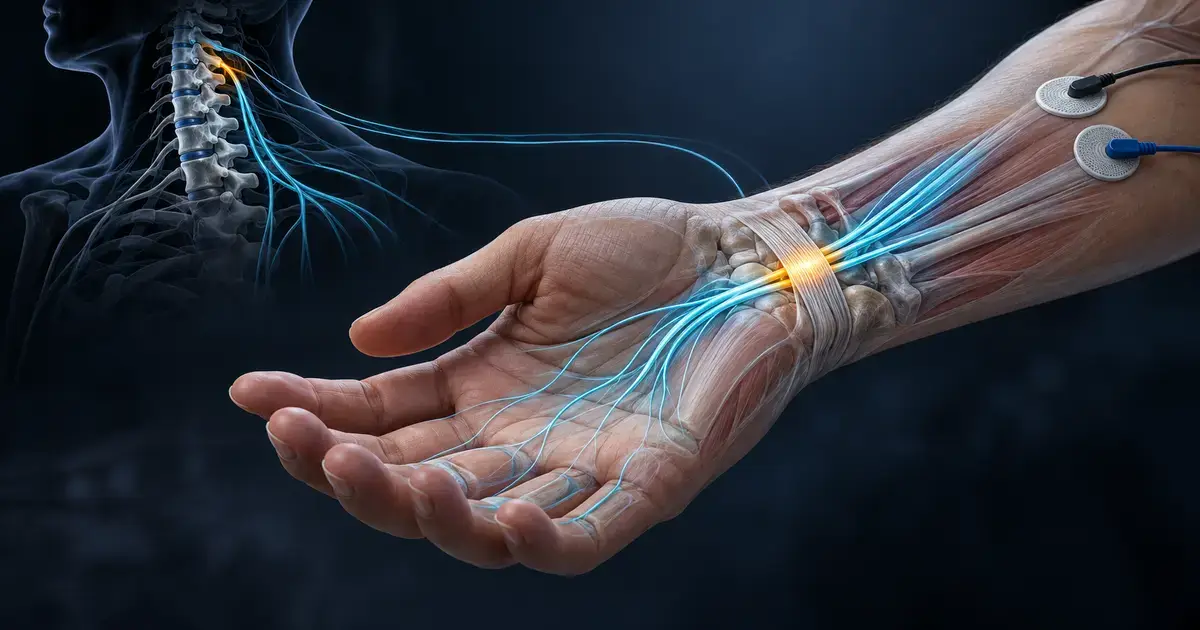
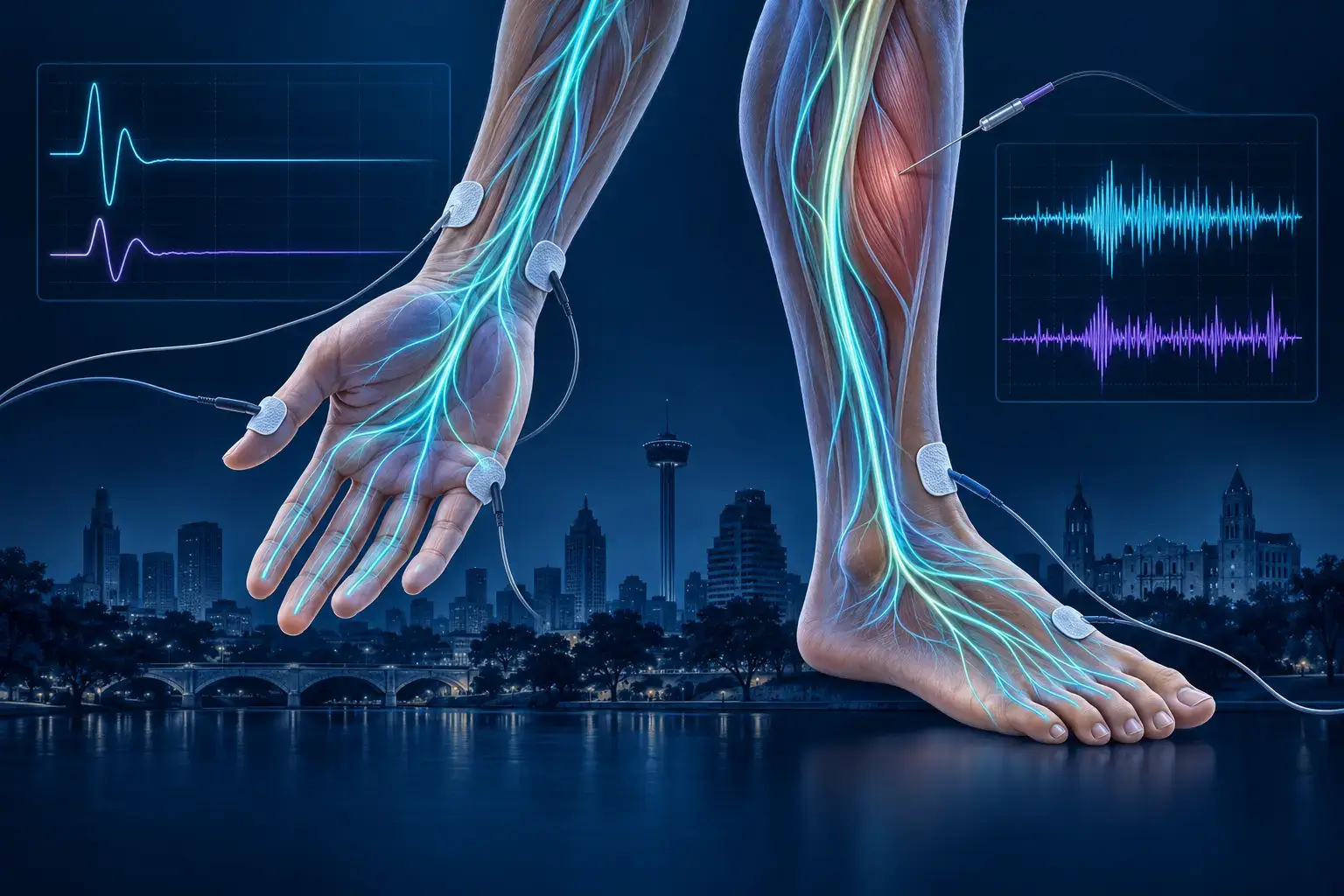
A normal EMG does not rule out every neuropathy. Small fiber neuropathy affects pain, temperature, and autonomic fibers that routine nerve-conduction studies may not measure well.
A dynamometer reading offers a quick snapshot of muscle function. Its real value comes from standardized measurement, clinical context, and tracking change over time.
Long periods of sitting are built into many jobs. The most useful response is not to blame employees or demand that everyone stand all day, but to redesign work so changing position and moving briefly are normal,…
Trouble falling asleep does not automatically mean you need a night in a sleep laboratory. Here is how clinicians diagnose insomnia, when testing adds useful information, and why cognitive behavioral therapy for insomnia is usually the first…
Flashing lights, numbness, or trouble speaking may occur with migraine aura, but similar symptoms can signal a transient ischemic attack or stroke. Timing and symptom progression offer clues, not certainty. New or unusual neurologic symptoms deserve urgent…
Hearing loss is linked with cognitive decline, but that does not mean it directly causes dementia. The ACHIEVE trial tested whether a comprehensive hearing intervention could slow cognitive change. Its overall result was neutral, while a higher-risk…
Eye-rolling, interruptions, dismissive messages, and withheld credit may look minor in isolation. When they become a pattern, workplace incivility can erode trust and may be associated with poorer well-being, sleep, and retention. Effective prevention requires clear norms,…
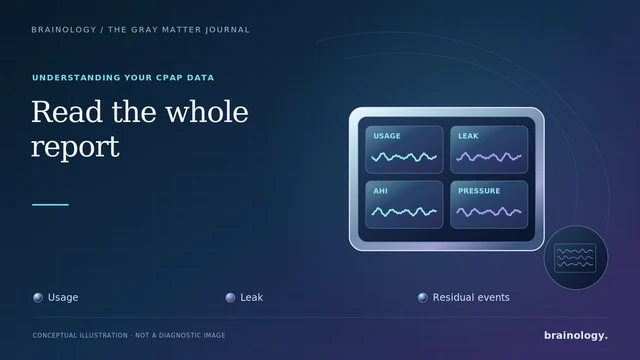
A CPAP app can summarize hours of use, breathing events, leak, and pressure, but it does not measure sleep the way a sleep study does. Understanding each number, its limitations, and the trend over time can make…
Mild cognitive impairment describes measurable changes in memory or thinking that do not yet substantially disrupt independent daily life. It can have many causes, does not always progress to dementia, and deserves a careful evaluation rather than…
NMN and NR can increase NAD-related biomarkers, but that does not prove they reverse aging or extend life. Here is what human trials show, where the evidence remains uncertain, and what consumers should consider before buying an…
Long hours are not simply a test of commitment. Research links sustained schedules of 55 or more hours per week with cardiovascular harm, although the evidence is observational and varies by outcome. Employers can reduce risk through…
Loud snoring is not the only face of sleep apnea. Women may report fatigue, insomnia, headaches, or unrefreshing sleep, and breathing events may cluster in REM sleep. The right test depends on the symptoms, medical history, and…
Transient global amnesia can cause hours of repetitive questions and an inability to form new memories. The outlook is usually favorable once the diagnosis is confirmed, but sudden memory loss still requires urgent evaluation.
Creatine is not only for bodybuilders, but it is not a proven anti-aging pill either. Here is what research shows about muscle, cognition, dosing, and safety after 50.
Night work can disrupt sleep and circadian timing, but fatigue is not solely an employee self-care issue. Safer scheduling, adequate recovery time, and a trusted reporting process can make a meaningful difference.
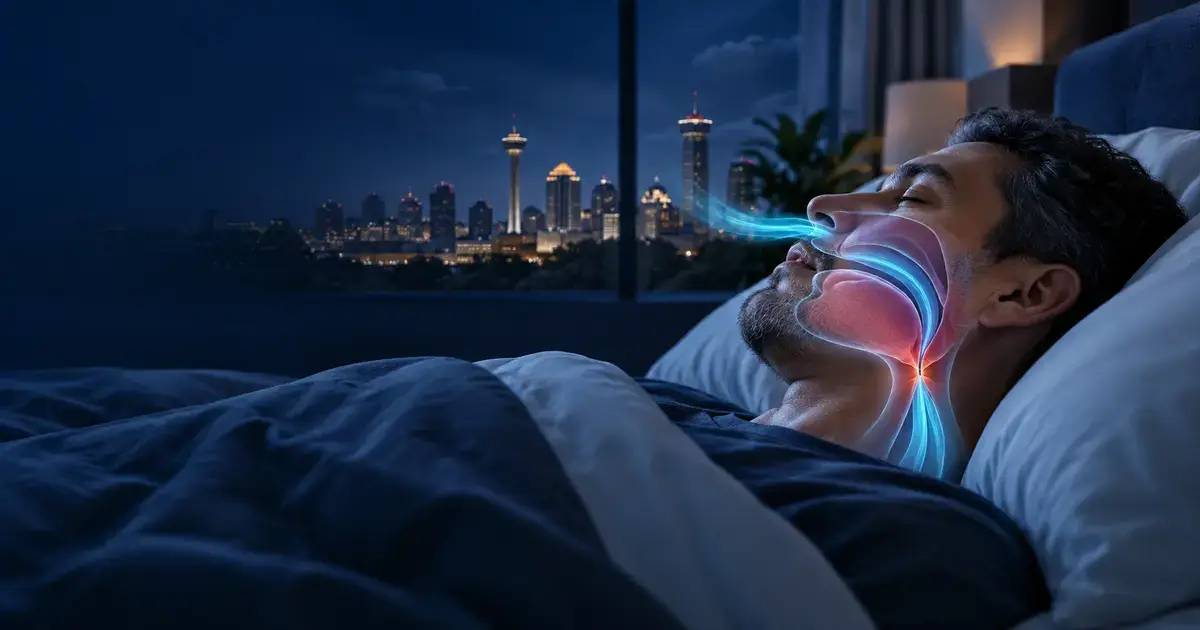
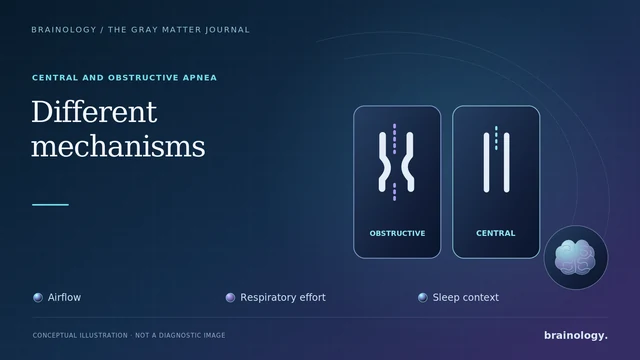
Obstructive sleep apnea involves a blocked airway. In central sleep apnea, breathing effort temporarily falls. The distinction changes which tests and treatments are appropriate.
Normal pressure hydrocephalus can resemble other neurologic conditions. The pattern of gait change, cognitive symptoms, bladder problems, imaging, and response to cerebrospinal fluid drainage helps guide diagnosis.
Epigenetic clocks are valuable research tools, but a consumer biological-age score is not a diagnosis, a lifespan forecast, or proof that an intervention reversed aging.
Heat illness prevention requires more than water. A practical workplace plan considers temperature, humidity, workload, clothing, acclimatization, recovery, and emergency response.
Periodic limb movements can fragment sleep, but they are also common incidental findings. Symptoms, arousals, and other sleep disorders determine whether treatment is appropriate.
A tremor may appear at rest, while holding a posture, or during movement. Its timing and accompanying symptoms often matter more than how dramatic it looks.
New studies have linked shingles vaccination with fewer dementia diagnoses. The evidence is increasingly compelling, but the vaccine is approved to prevent shingles, not to prevent or treat dementia.
Employees can feel lonely in a crowded office or connected while working remotely. The difference often lies in whether work provides trust, belonging, support, and meaningful relationships rather than simply more interaction.
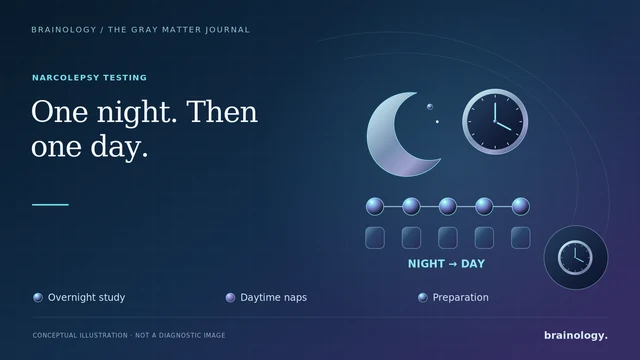
The daytime nap test used in a narcolepsy evaluation cannot be interpreted in isolation. The previous night’s sleep, medications, circadian schedule, sleep apnea, and test conditions can all influence the result.
After a first seizure, the central questions are whether the event was truly epileptic, whether it had a temporary trigger, and how likely it is to happen again. EEG, brain imaging, witness details, and medical history each…
Fall prevention is about more than removing rugs. A thoughtful plan can address balance, strength, medications, blood pressure, vision, footwear, and home hazards before a fall changes daily life.
An evening email may take seconds to answer but keep the mind engaged much longer. Evidence links after-hours work connectivity with poorer detachment and work-life conflict, although thoughtful flexibility and genuine emergencies require a more nuanced approach.
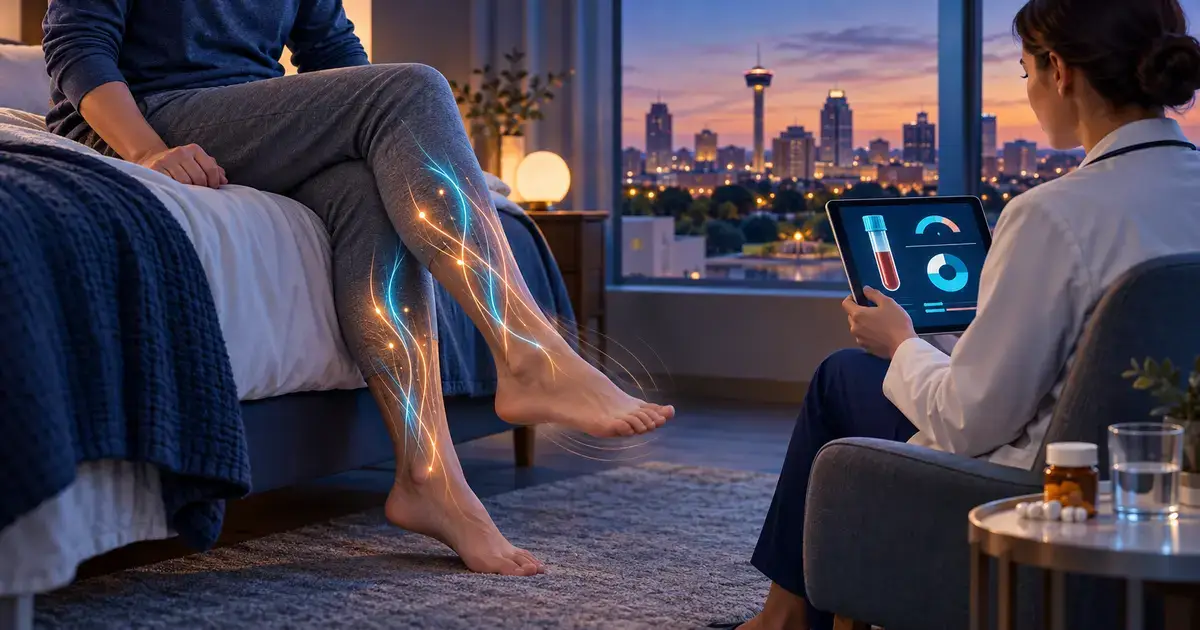
Tingling, burning, or numbness in the feet can come from many conditions. Peripheral neuropathy is one possibility, but identifying the pattern and cause is essential because evaluation and treatment are not one-size-fits-all.
A large 2026 study linked regular resistance training with lower mortality, but association is not causation. The strongest case for lifting may be its proven ability to preserve strength, mobility, and independence as we age.
Meditation apps and resilience workshops may help some employees, but they cannot compensate for chronic overload, poor job control, or unsafe workplace culture. Effective burnout prevention starts with how work is designed.
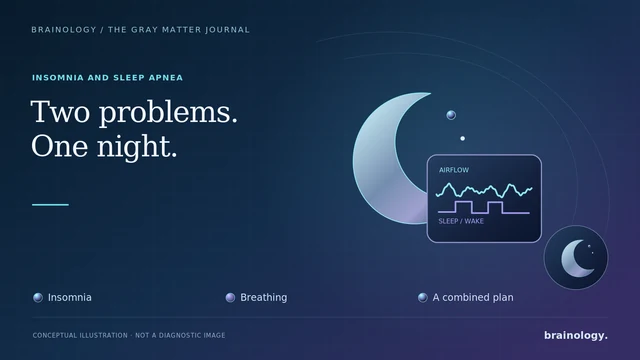
Trouble sleeping does not rule out obstructive sleep apnea. When insomnia and sleep apnea occur together, identifying and treating both conditions can be more effective than focusing on only one.
Visual changes, tingling, and difficulty speaking can occur during migraine aura, but they can also signal a stroke or transient ischemic attack. Learn the patterns clinicians consider, the limits of those clues, and when to call 911.
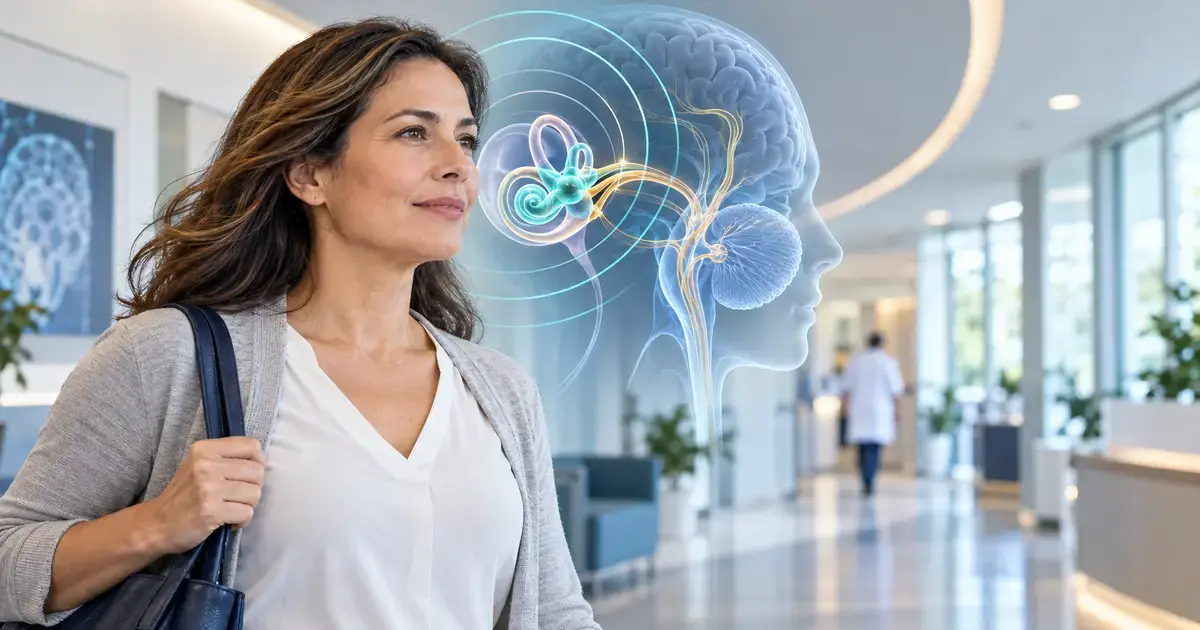
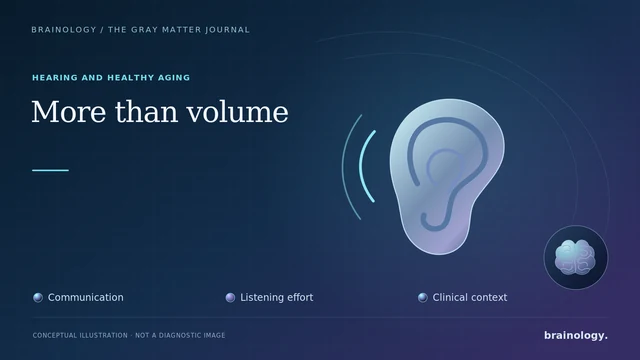
Hearing loss can quietly increase listening effort and make conversation, work, and social connection harder. A major randomized trial found no cognitive benefit across all participants, but suggested a meaningful effect among older adults at higher risk…
Short breaks during the workday may reduce fatigue and help employees feel more energized, but they are not a guaranteed productivity hack. Here is what the evidence says and how organizations can build a responsible microbreak program.
A sleep study can show a relatively low apnea-hypopnea index while breathing-related arousals repeatedly fragment sleep. Understanding RERAs and the respiratory disturbance index can reveal a part of sleep-disordered breathing that the AHI alone may miss.
A major long-term study found that adults without hypertension, diabetes, or current smoking in midlife experienced nearly 13 more dementia-free years than adults with all three risks. The finding is important, but it is an association, not…
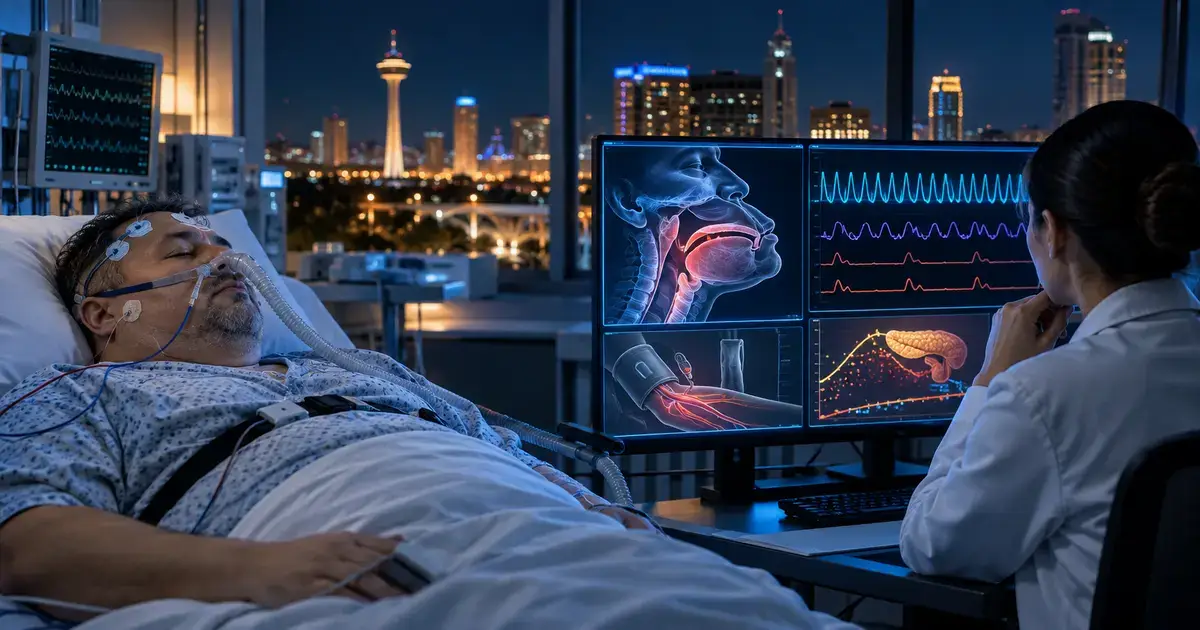
Obesity, obstructive sleep apnea and metabolic syndrome can reinforce one another. Learn the numbers, the risks and why treating each contributor matters.
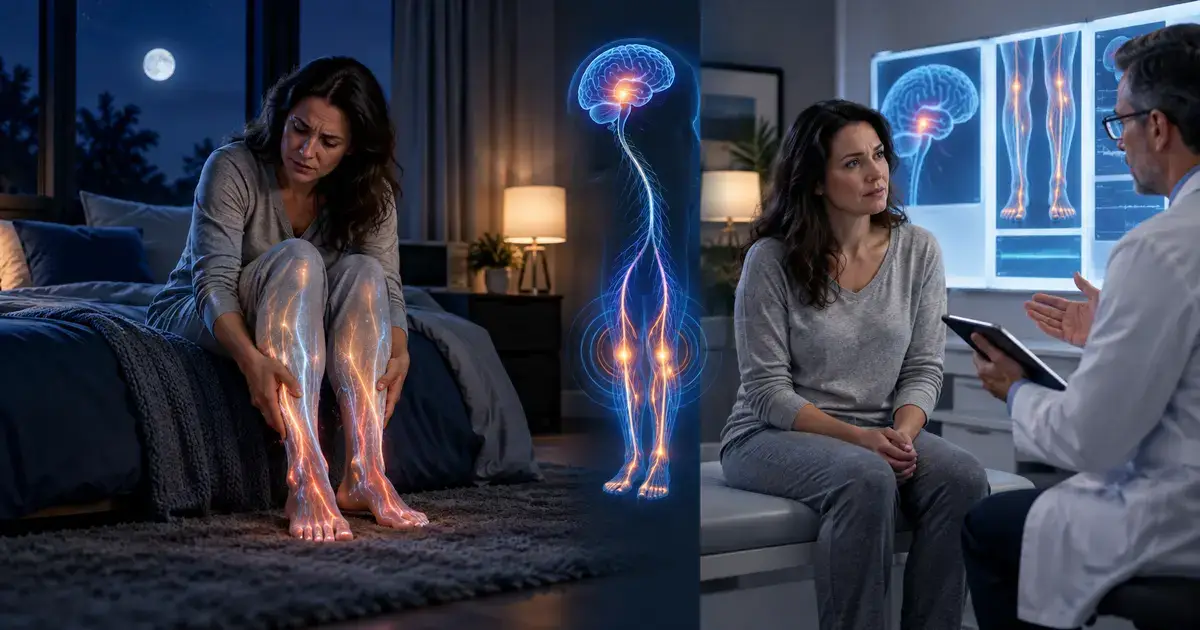
Learn the four signature criteria for restless legs syndrome, the essential mimic-exclusion step, and what current guidance says about iron, triggers and treatment.
Phosphorylated tau, especially p-tau217, is changing Alzheimer’s evaluation. Learn what it measures, why blood testing matters and why results require clinical context.
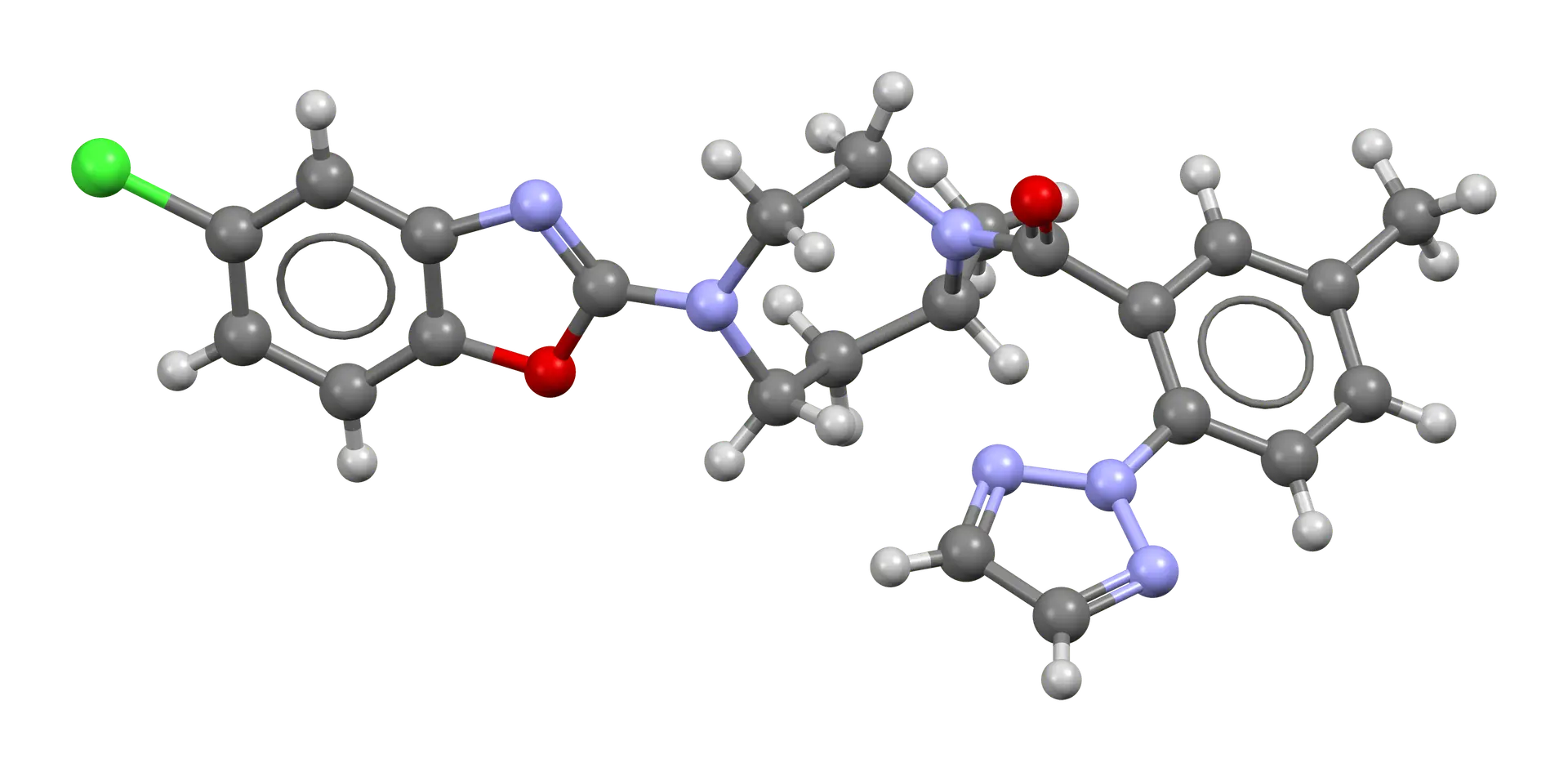
In today's fast-paced world, quality sleep is often overlooked, yet it serves as a cornerstone of both physical and mental health. Among the various advancements in sleep medicine, suvorexant has emerged as an FDA-approved medication that provides…
Sleep apnea is a prevalent sleep disorder characterized by repeated interruptions in breathing during sleep. These pauses can lead to frequent awakenings, poor sleep quality, and increased risk of serious health issues like cardiovascular disease and diabetes.…
Insomnia, characterized by persistent difficulty falling or staying asleep, affects millions worldwide and has profound implications for cognitive health. Sleep is integral to processes like memory consolidation and toxin elimination, both critical for maintaining optimal brain function.…
In our quest for maintaining cognitive health and preventing debilitating conditions like dementia, natural remedies and traditional practices often offer promising avenues. One such potential champion is ashwagandha, an ancient herb revered in Ayurvedic medicine. Known primarily…
Insomnia, a common sleep disorder, significantly influences brain health and overall well-being. Persistent sleep deprivation can alter cognitive functions, leading to various neural consequences. Understanding this relationship is crucial for maintaining cognitive fitness and preventing long-term health…
Dementia is a growing global concern, affecting millions of people worldwide. As researchers continue to uncover the complexities of this condition, the significance of early diagnosis has become increasingly evident. Early detection not only allows for timely…
In today's fast-paced world, maintaining a sharp and healthy mind is more crucial than ever. While many people focus on mental exercises, the importance of physical activity in supporting brain health is often overlooked. Physical exercise is…
Sleep is often considered a cornerstone of good health, yet its profound impact on cognitive function is frequently underestimated. The intricate relationship between sleep and brain health is critical, not only for daily functioning but also…