
Sleep Medicine
Morning Headaches and Sleep Apnea: San Antonio Evaluation
Morning headaches are not automatically caused by sleep apnea. Learn which clues make sleep-disordered breathing more likely and when to seek care.
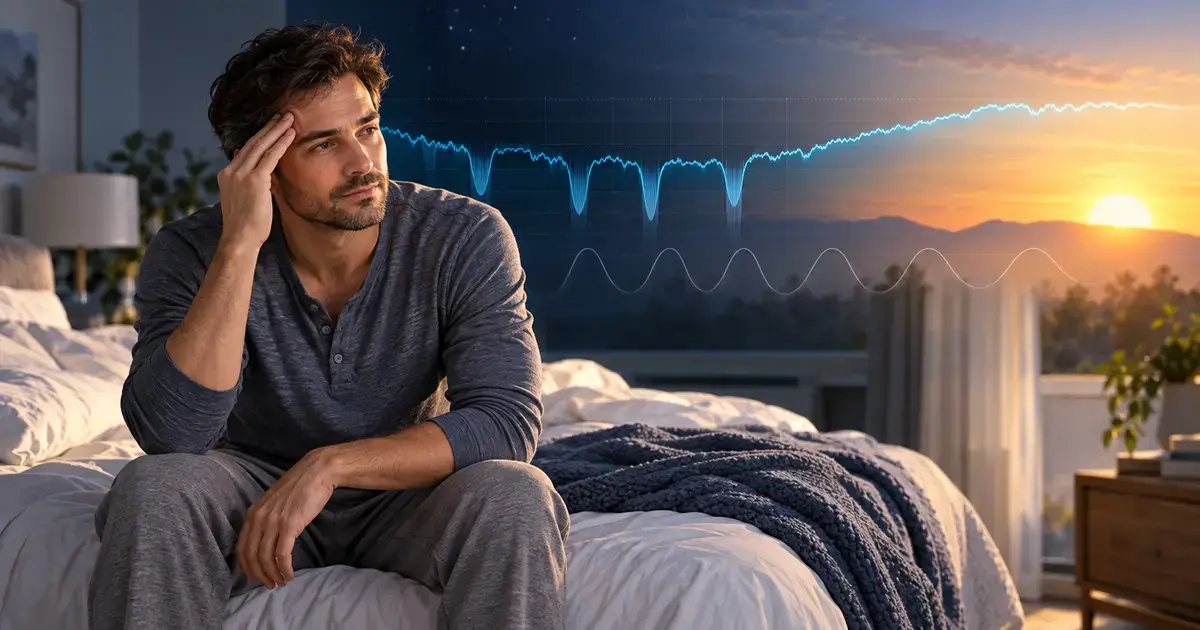
Morning headaches can occur with obstructive sleep apnea, but they are not specific to it. Bruxism, migraine, medication overuse, high blood pressure, dehydration, poor sleep, carbon monoxide exposure, and other medical conditions can also cause headache on waking. Sleep apnea becomes more likely when morning headaches occur with loud snoring, witnessed breathing pauses, gasping, daytime sleepiness, or nonrestorative sleep.
For adults considering an evaluation for morning headaches and sleep apnea in San Antonio, the goal is to identify the pattern, screen for urgent warning signs, and decide whether sleep testing, neurological evaluation, or both are appropriate.
What does a sleep apnea headache feel like?
A headache associated with sleep apnea is often described as pressure or aching on both sides of the head after waking. It may improve within a few hours. However, people with sleep apnea can also have migraine or another headache disorder, so the timing alone does not establish the cause.
Headache diaries can reveal whether pain consistently begins on waking, occurs only after short or disrupted sleep, or follows snoring and witnessed breathing pauses. The diary should also record nausea, light or sound sensitivity, visual symptoms, neck pain, medication use, caffeine, and blood pressure when safely available.
How can sleep apnea contribute to headache?
Obstructive sleep apnea repeatedly narrows or closes the upper airway during sleep. These events can lower oxygen, raise carbon dioxide, change pressure inside blood vessels, and trigger brief arousals. The combination may contribute to morning head pain in some patients.
Fragmented sleep can also lower the threshold for migraine and increase fatigue, stress, and pain sensitivity. Treating apnea may improve morning headaches for some people, but improvement is not guaranteed because another headache disorder may coexist.
Clues that sleep apnea may be involved
- Loud, frequent snoring
- Witnessed pauses, gasping, choking, or snorting
- Dry mouth on waking
- Unrefreshing sleep despite adequate time in bed
- Excessive daytime sleepiness or drowsy driving
- Frequent nighttime urination
- Difficulty concentrating or morning irritability
- High blood pressure, atrial fibrillation, or cardiovascular disease
Sleep apnea can occur in people of different body sizes and may present differently in women. Insomnia, fatigue, mood symptoms, and headache may be more prominent than classic snoring. A screening questionnaire can estimate risk but cannot diagnose or exclude the condition.
Other common causes of morning headache
Bruxism and jaw disorders
Clenching or grinding can produce temple pain, jaw soreness, tooth sensitivity, or pain that worsens with chewing. A dental evaluation may be useful when these features are present. Bruxism and sleep apnea can coexist.
Migraine
Migraine can occur at any time, including on waking. Nausea, light or sound sensitivity, worsening with activity, and a history of similar attacks support the pattern. Irregular sleep, too little sleep, and untreated sleep disorders can trigger migraine in susceptible people.
Medication overuse or withdrawal
Frequent use of certain acute headache medicines can perpetuate headache. Caffeine withdrawal and changes in other medications may also produce morning pain. Do not stop prescribed treatment abruptly; review frequency and timing with a clinician.
Blood pressure and other medical conditions
Very high blood pressure can occur with headache, but routine headache is not a reliable measure of blood pressure. Carbon monoxide exposure can cause morning headache, dizziness, nausea, weakness, or confusion, especially when multiple household members or pets are affected. Leave the building, call emergency services, and seek urgent care if exposure is possible.
When a headache needs emergency care
Call 911 for a sudden “worst headache,” headache with one-sided weakness, facial droop, speech difficulty, loss of consciousness, seizure, severe confusion, or new trouble walking. Seek urgent evaluation for headache with fever and stiff neck, after significant head injury, during pregnancy or shortly after delivery, or with new vision loss.
A new headache after age 50, a steadily worsening pattern, cancer or immune suppression, or headache triggered by coughing or exertion should be assessed promptly. A sleep study is not a substitute for emergency neurological evaluation.
When should a sleep study be considered?
Testing may be appropriate when morning headaches occur with symptoms or health factors that raise concern for sleep apnea. A home sleep apnea test can be suitable for selected adults with suspected uncomplicated obstructive sleep apnea. It usually records breathing, oxygen, heart rate, and related signals.
An in-lab sleep study records additional information, including sleep stages, eye movements, muscle activity, breathing, oxygen, and heart rhythm. It may be preferred when another sleep disorder is possible, significant medical conditions affect testing, or a home test is negative or unclear despite persistent concern.
Brainology's sleep medicine service in San Antonio helps match the test to the clinical question. Our guide to home versus in-lab sleep testing explains why one approach does not fit every patient.
When should a neurologist evaluate the headache?
A neurology evaluation may be helpful when headaches are frequent, disabling, changing, associated with neurological symptoms, or not explained by sleep testing. The clinician may diagnose migraine, tension-type headache, medication-overuse headache, or another primary headache disorder while considering secondary causes.
Brain imaging is not automatically required for every morning headache. The decision depends on the neurological examination, age, pattern, red flags, and other clinical information.
What happens if sleep apnea is diagnosed?
Treatment depends on apnea type, severity, anatomy, symptoms, medical history, and preference. Options may include positive airway pressure, a custom oral appliance for appropriate adults, position-based treatment, weight-focused care, or selected procedures. Follow-up data or repeat testing can confirm whether breathing is controlled.
If headaches continue despite effective apnea treatment, that does not mean the treatment failed. It may reveal a coexisting migraine, bruxism, medication issue, or another condition that needs its own plan.
What to bring to an appointment
Bring a medication list, prior headache and sleep records, and any PAP report if already treated. A two-week diary can track bedtime, wake time, headache onset and duration, pain features, acute medicines, snoring observations, caffeine, alcohol, hydration, and menstrual timing when relevant.
Wearable devices can show trends, but consumer oxygen and sleep-stage estimates do not diagnose sleep apnea. Bring the data if it is useful, but expect the clinician to interpret it cautiously.
Morning headache evaluation in San Antonio
Brainology evaluates patients from San Antonio, Shavano Park, Stone Oak, Alamo Heights, Boerne, and nearby communities. Because neurology and sleep medicine overlap, the visit can focus on whether the headache pattern, sleep symptoms, or both need further testing.
Request a Brainology consultation if recurrent morning headaches occur with snoring, breathing pauses, daytime sleepiness, or a changing headache pattern. Use emergency services for sudden or severe warning signs.
This article is for education and does not replace emergency care, diagnosis, or individualized medical advice.
References
- National Heart, Lung, and Blood Institute. Sleep Apnea. Updated January 9, 2025.
- National Institute of Neurological Disorders and Stroke. Headache. Updated March 13, 2026.
- National Library of Medicine. Headache. Updated November 19, 2025.