Sleep apnea is a prevalent sleep disorder characterized by repeated interruptions in breathing during sleep. These pauses can lead to frequent awakenings, poor sleep quality, and increased risk of serious health issues like cardiovascular disease and diabetes. The most common treatments include Continuous Positive Airway Pressure (CPAP) devices, oral appliances, lifestyle changes, and in some cases, surgery. However, recent developments in pharmaceutical treatments are opening new pathways for managing this condition, enhancing the effectiveness of existing therapies.
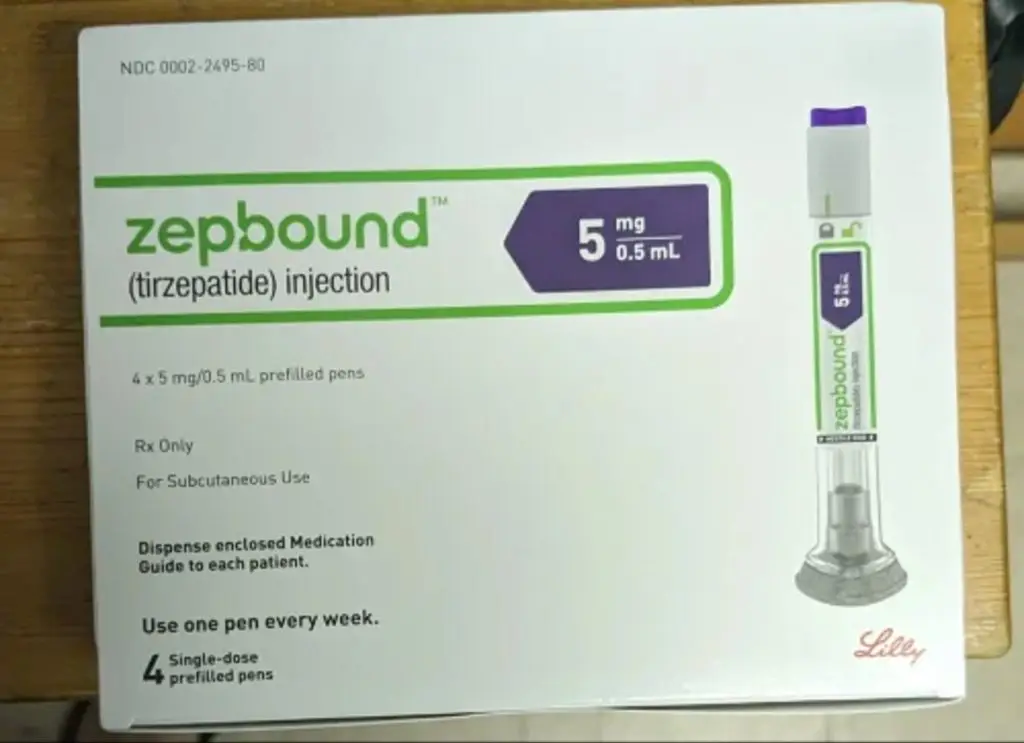
Introduction to Zepbound (terzepatide)
Zepbound, known scientifically as terzepatide, is primarily recognized for its role in managing type 2 diabetes and promoting weight loss. As obesity is a significant risk factor for sleep apnea, Zepbound could potentially impact sleep apnea treatment by addressing weight-related causes. The medication works by mimicking the effects of hormones involved in appetite regulation and insulin metabolism, thereby supporting weight reduction and metabolic control. It is now FDA-approved for weight loss in patients with diagnosed sleep apnea.
Complementing Sleep Apnea Treatments with Zepbound
Integrating Zepbound into existing sleep apnea care plans offers a comprehensive approach to managing this disorder. When combined with traditional therapies such as CPAP or oral appliances, or even NightLase, Zepbound could enhance outcomes by addressing underlying issues of obesity that exacerbate sleep apnea. Patients should work closely with their healthcare provider to tailor a treatment plan that incorporates Zepbound, ensuring it complements their current regimen and addresses their specific health needs.
Steps for Integration into Your Health Plan
-
Consultation with Healthcare Providers: Before starting any new medication, it is crucial to discuss with your healthcare provider or a specialist who understands both sleep disorders and metabolic health. Moreover, a diagnosis of sleep apnea is necessary. They can offer insights into how Zepbound might interact with your current treatments and help set realistic expectations.
-
Monitoring and Adjustments: It’s important to regularly monitor your progress once you’ve started integrating Zepbound into your care plan. This includes tracking sleep quality, apnea episodes, and any changes in weight or metabolic markers. Adjustments to the dosage or combination of therapies might be needed based on these observations.
-
Lifestyle and Behavioral Support: While Zepbound can play a significant role in treatment, lifestyle modifications remain fundamental. A balanced diet, regular physical activity, and good sleep hygiene practices support the medication’s effectiveness, providing a holistic approach to managing sleep apnea.
Achieving Optimal Results in Sleep Quality and Overall Wellness
The ultimate goal of integrating Zepbound into your sleep apnea treatment plan is to enhance sleep quality and overall wellness. With improved sleep, individuals often experience better cognitive function, mood stability, and reduced risk of chronic health conditions. The weight management benefits of Zepbound can further contribute to long-term health improvements, addressing root causes and offering a sustainable path to wellness beyond sleep apnea management. By embracing a comprehensive treatment plan, patients can achieve not just better sleep, but a significantly improved quality of life.